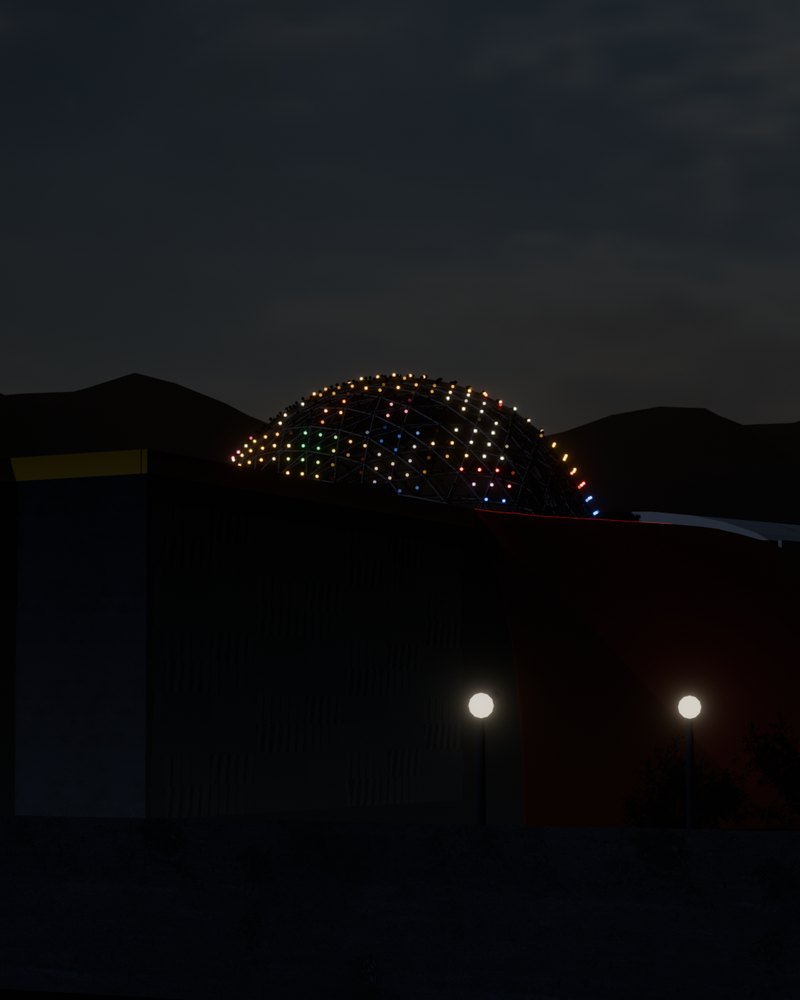
Family Mall dome: a lighting concept for the glass dome
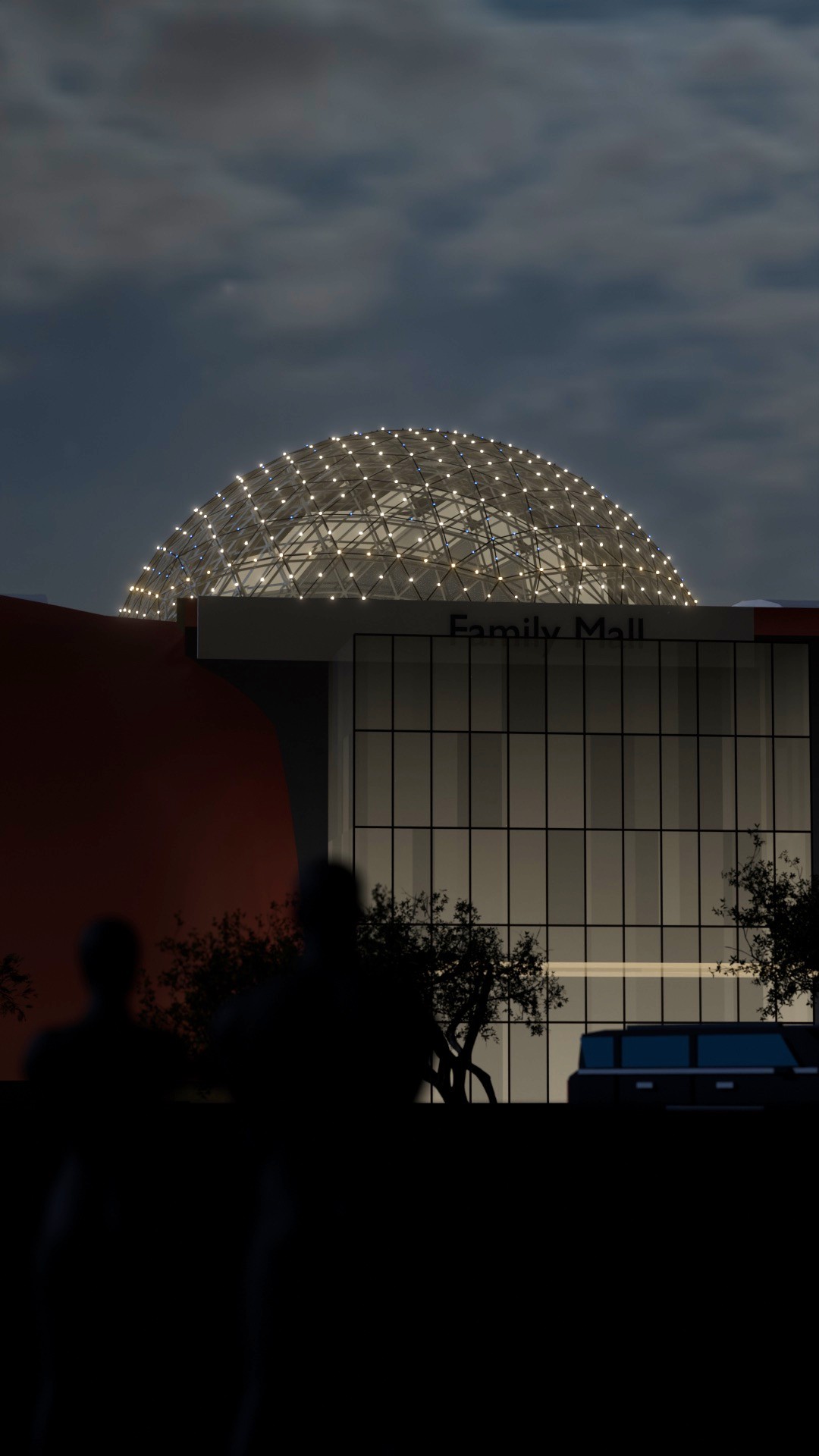
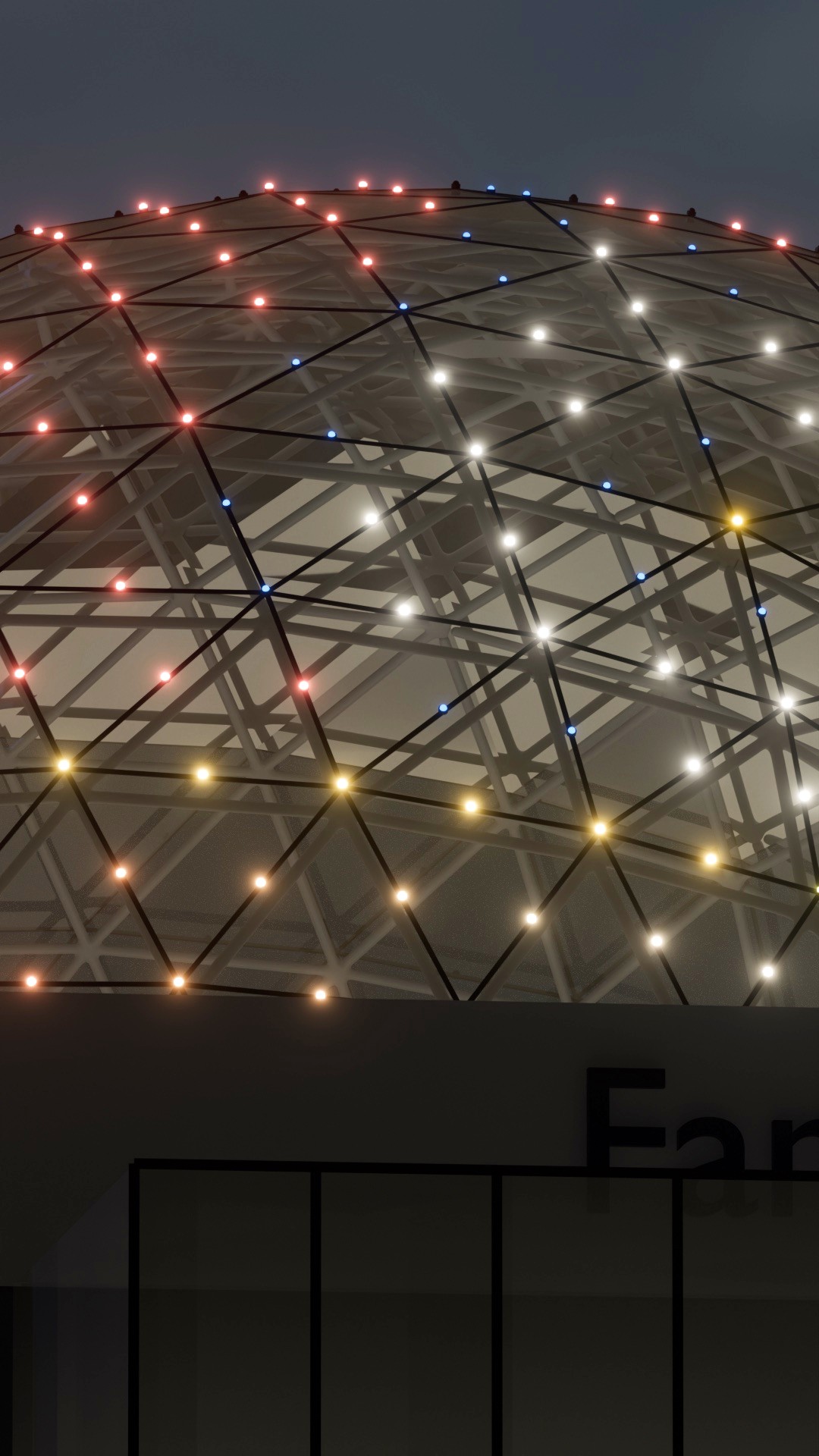
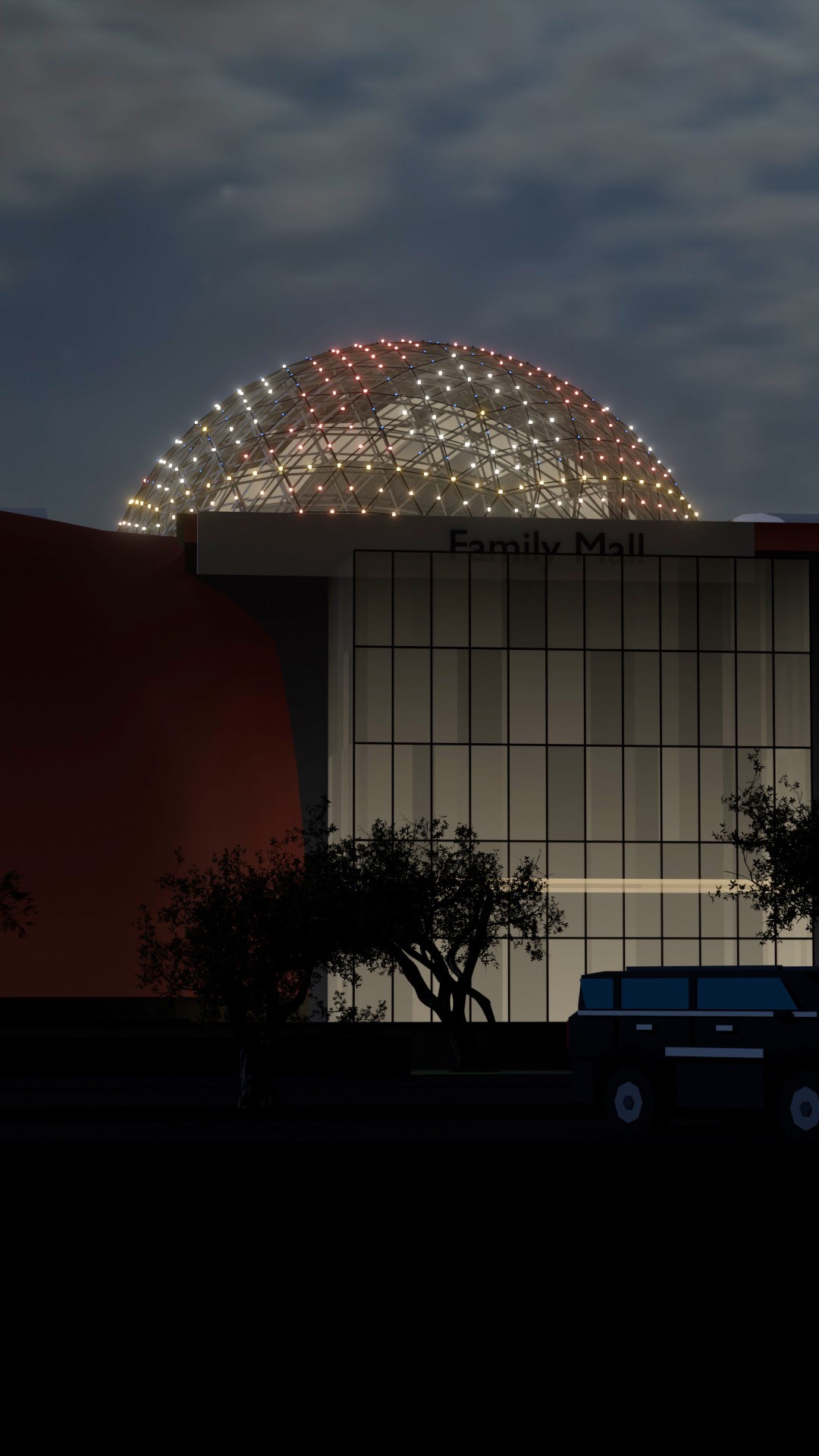
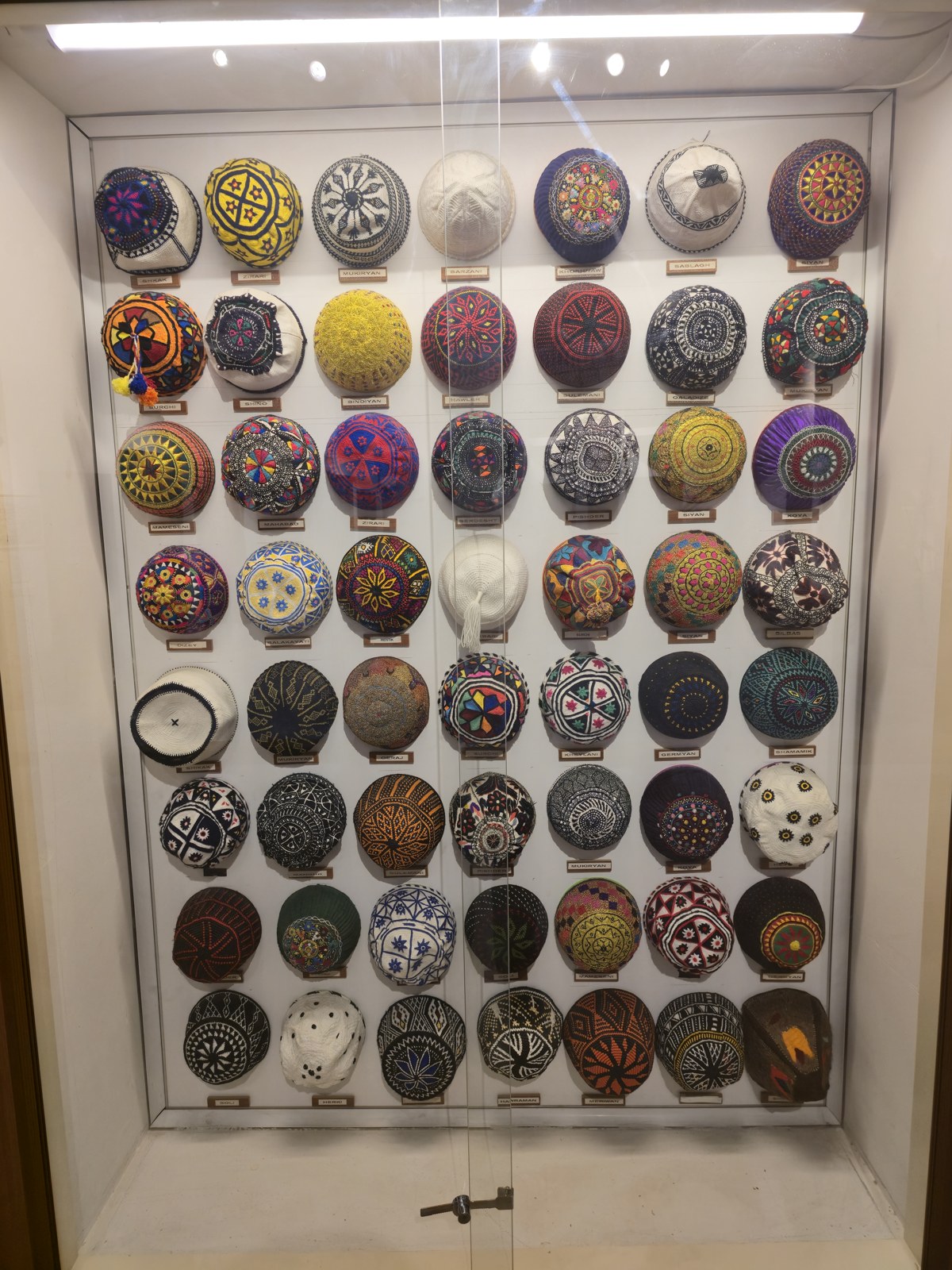
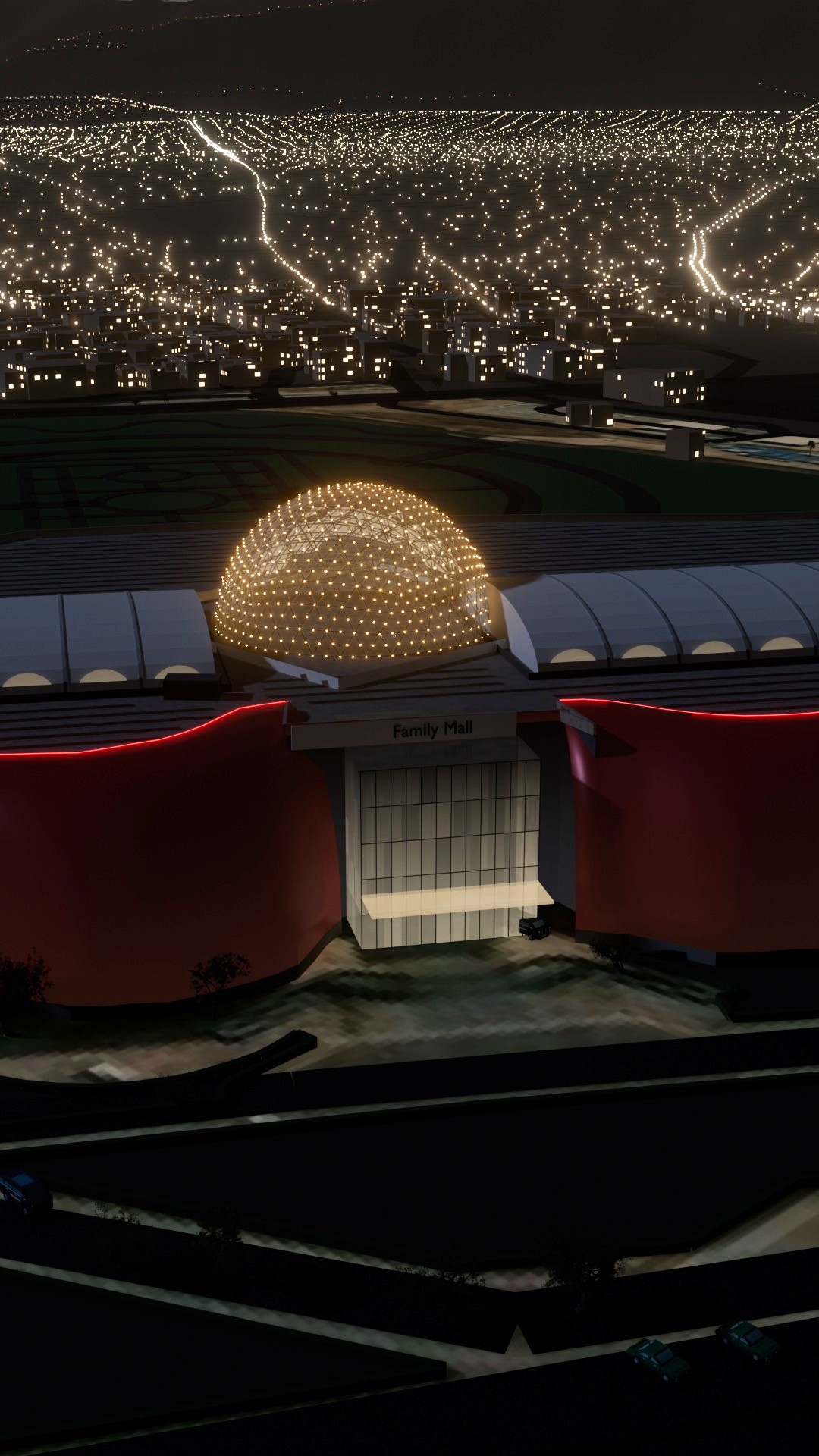
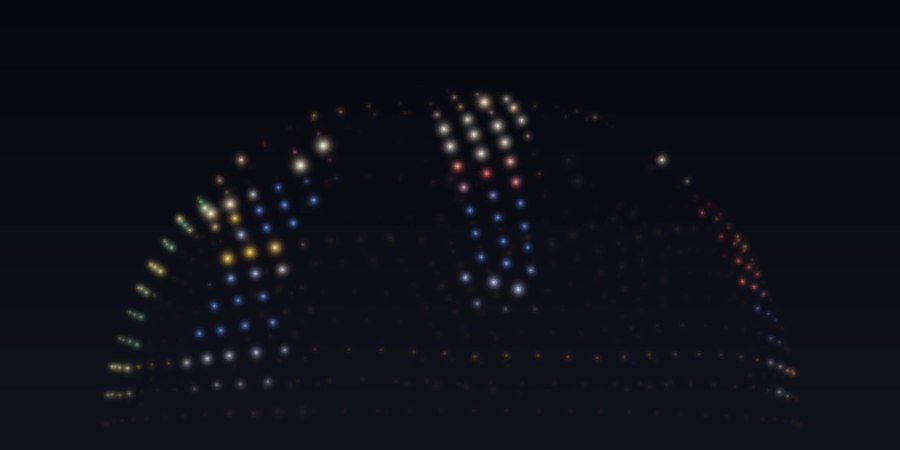
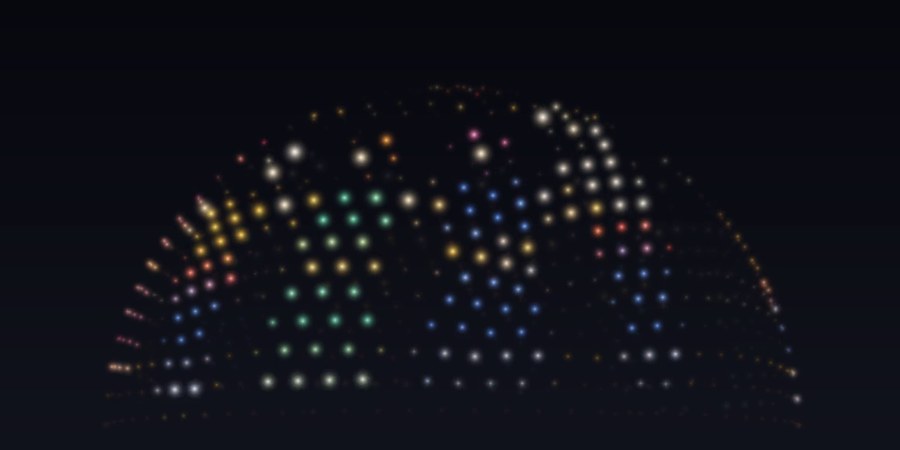
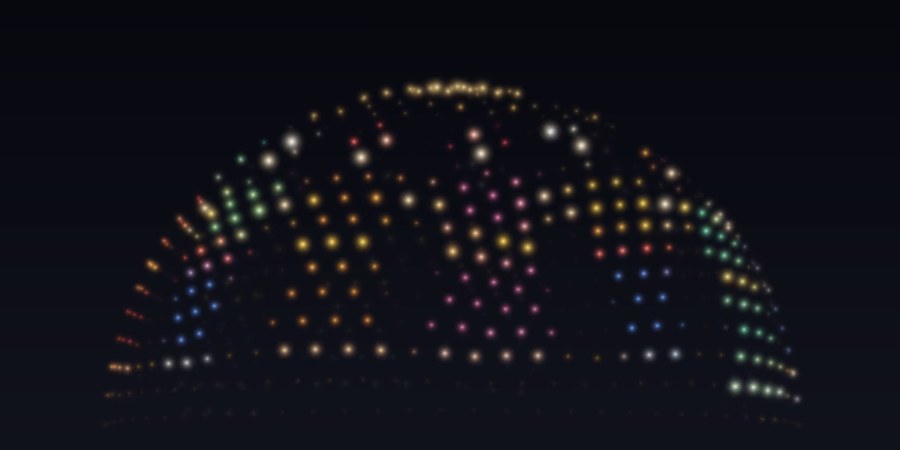
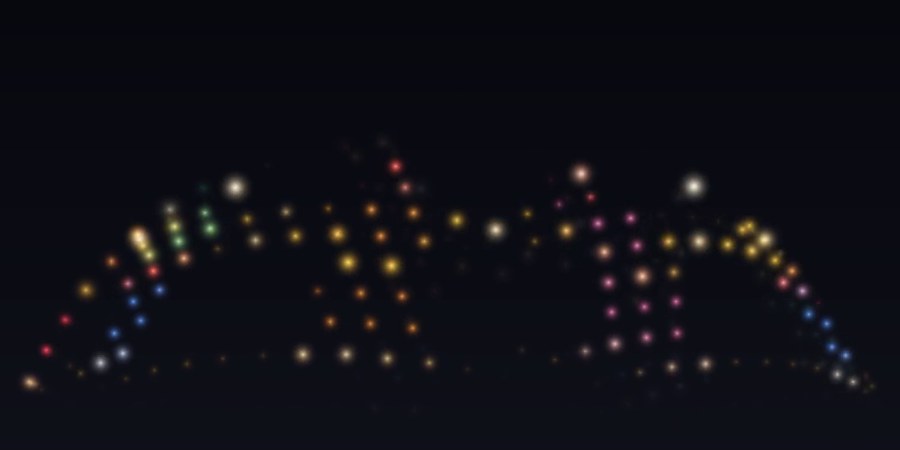
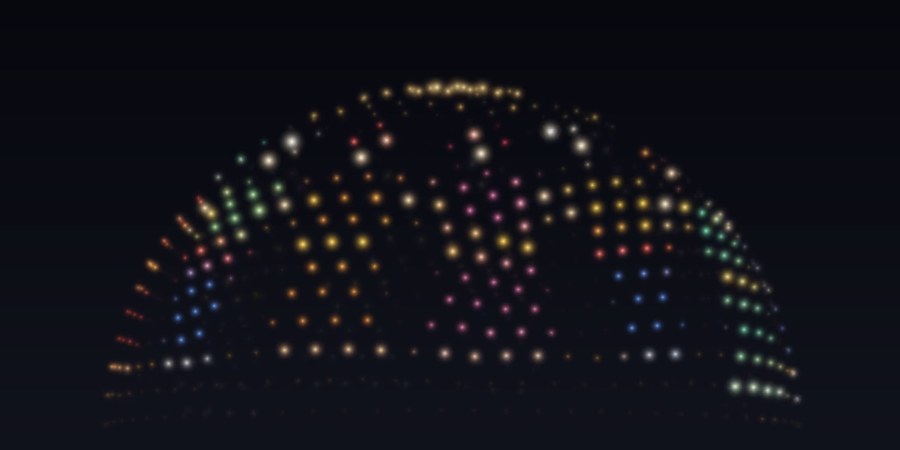
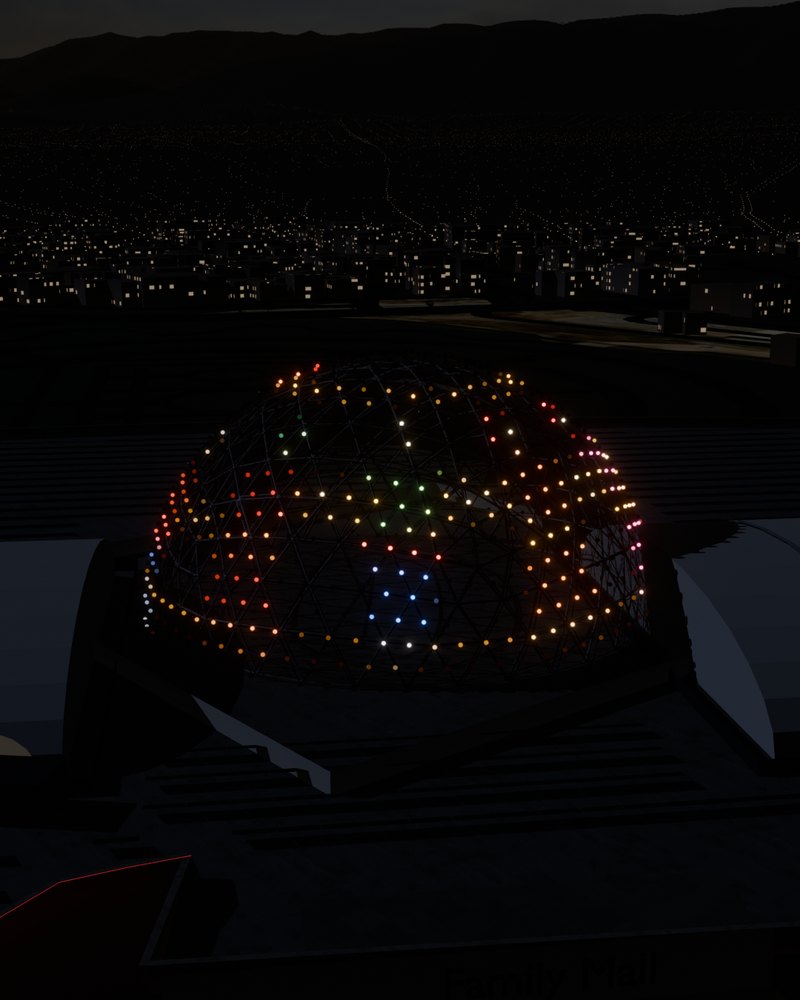
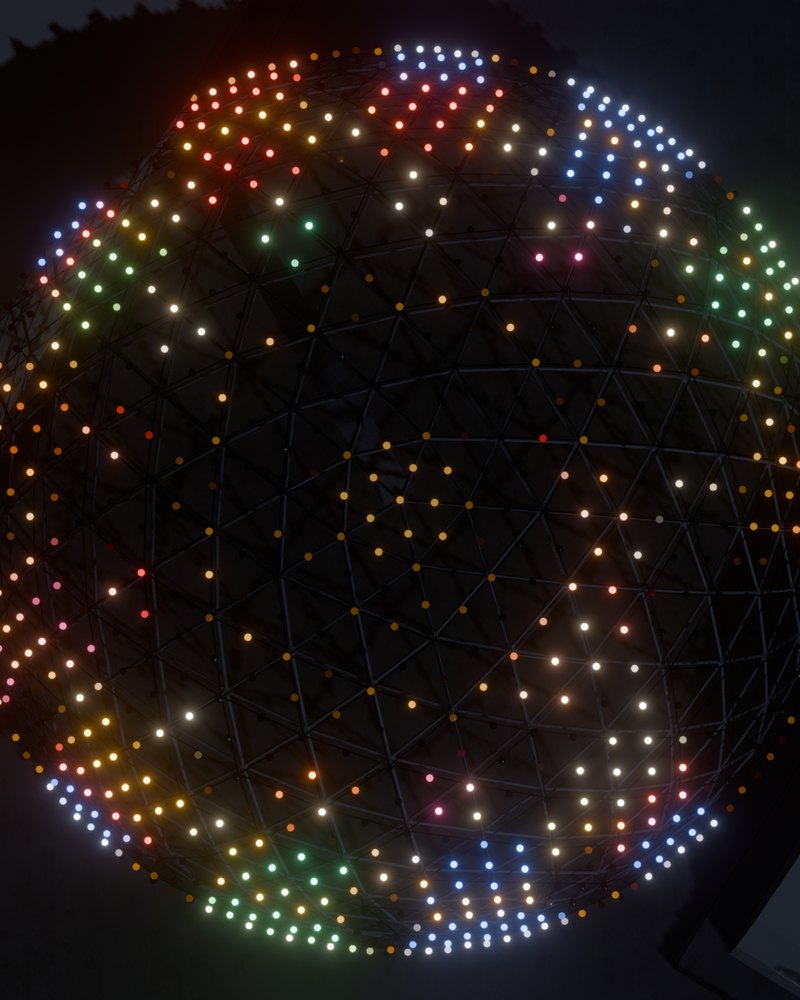
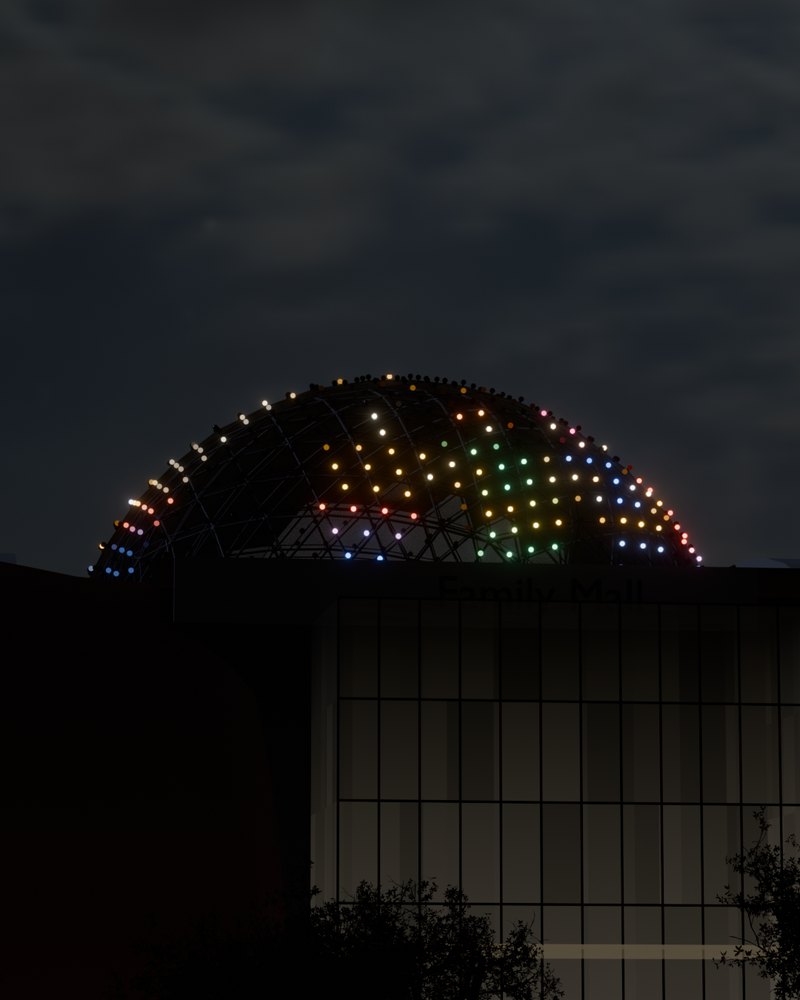
A lighting design for the glass dome of Family Mall in Sulaymaniyah: 946 lights on its joints, 83 designs for them, and scenes drawn from a wall of Kurdish caps.
Subject
Family Mall dome
Sulaymaniyah
In numbers
946 lights
83 designs
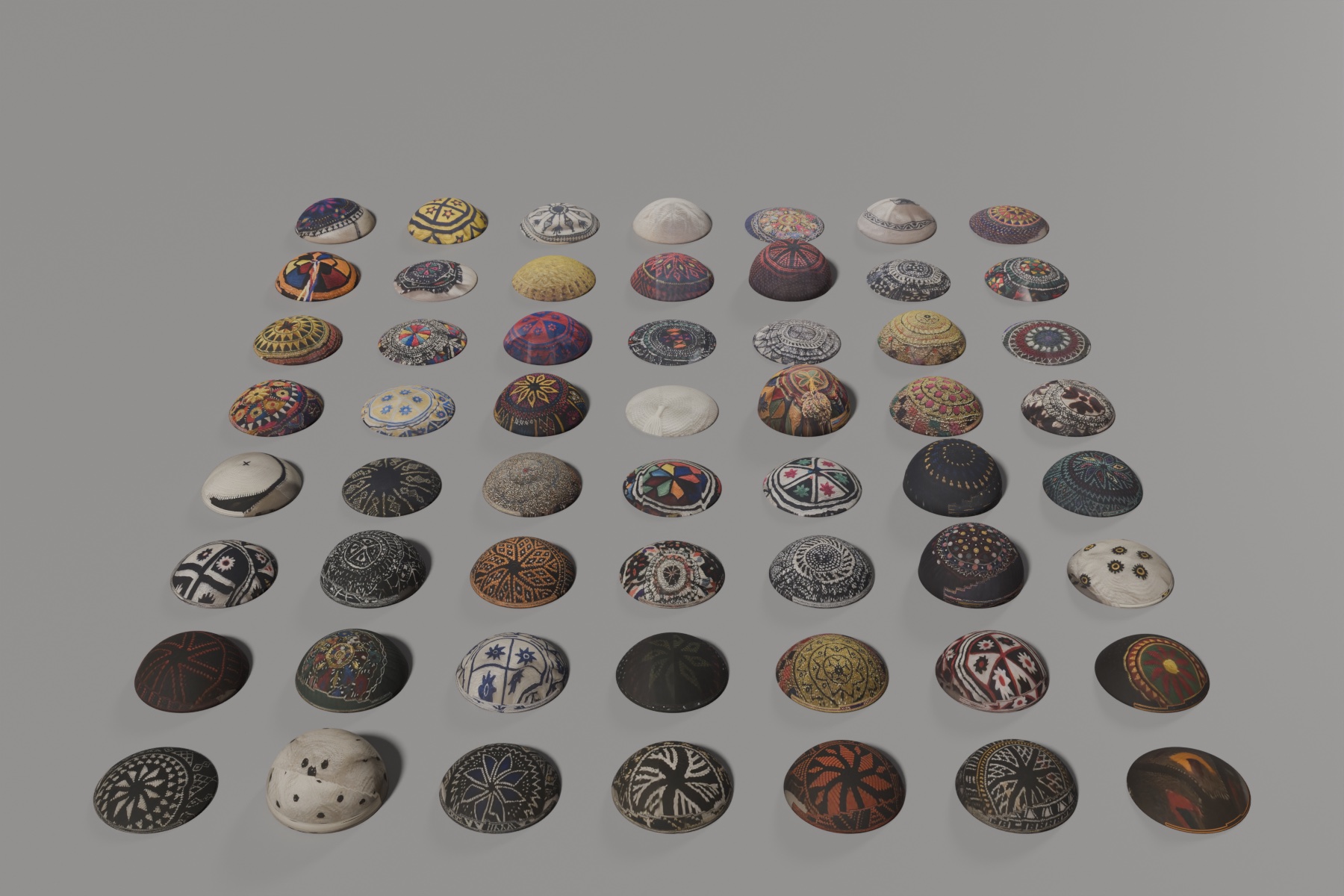
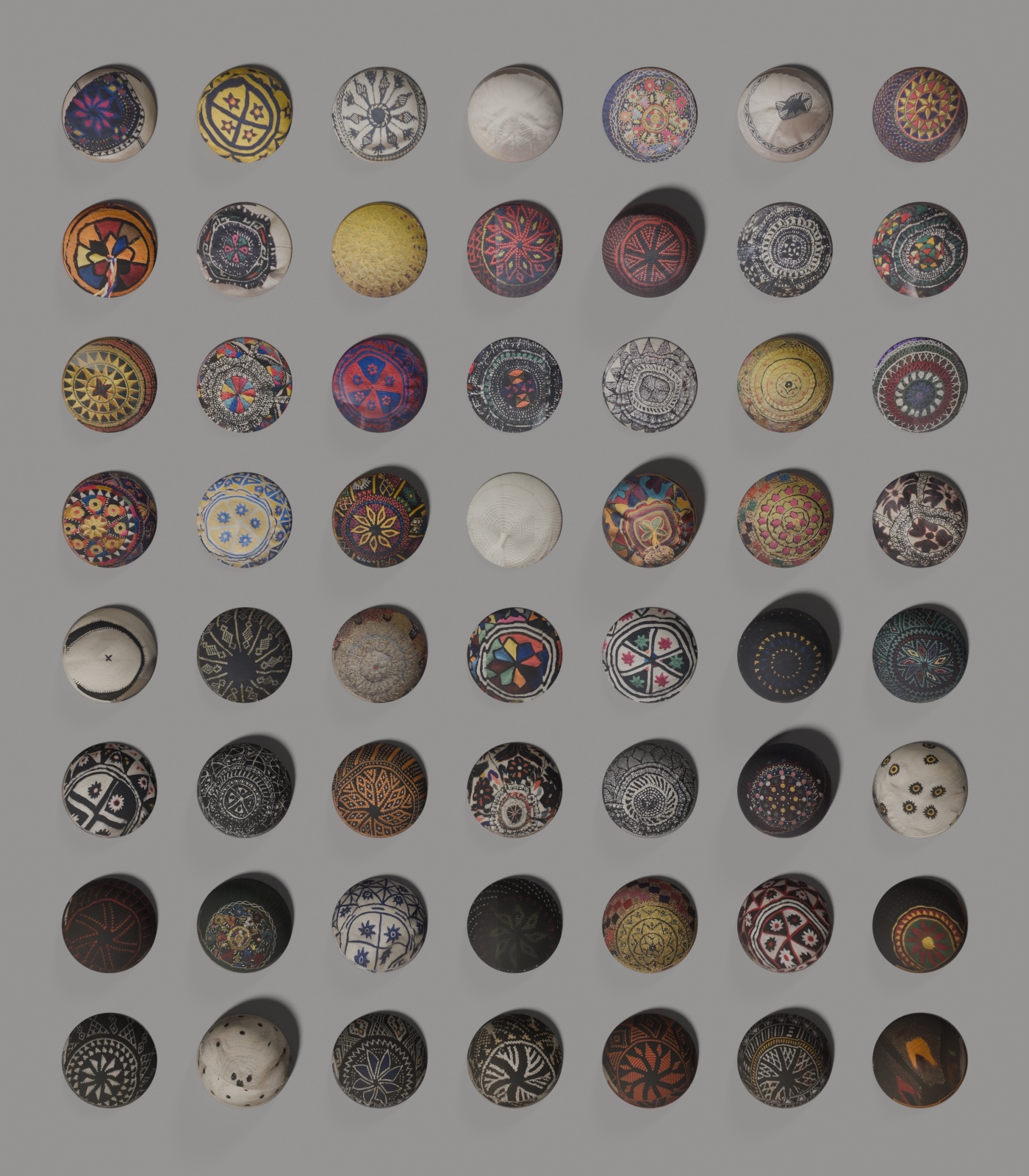
56 caps
Scope
Lighting design
Scene library, 83 designs
Site model and night renders
Status
Personal concept
Not commissioned, not built
Not made for, or approved by, Family Mall
Design
Yashimosh
Credits
Map data: OpenStreetMap contributors
Terrain: AWS Terrain Tiles
Night lights: NASA Black Marble
Imagery: Esri, Maxar
Caps: Kurdish Textile Museum
Idea of lighting the dome: Fardin Rezayi
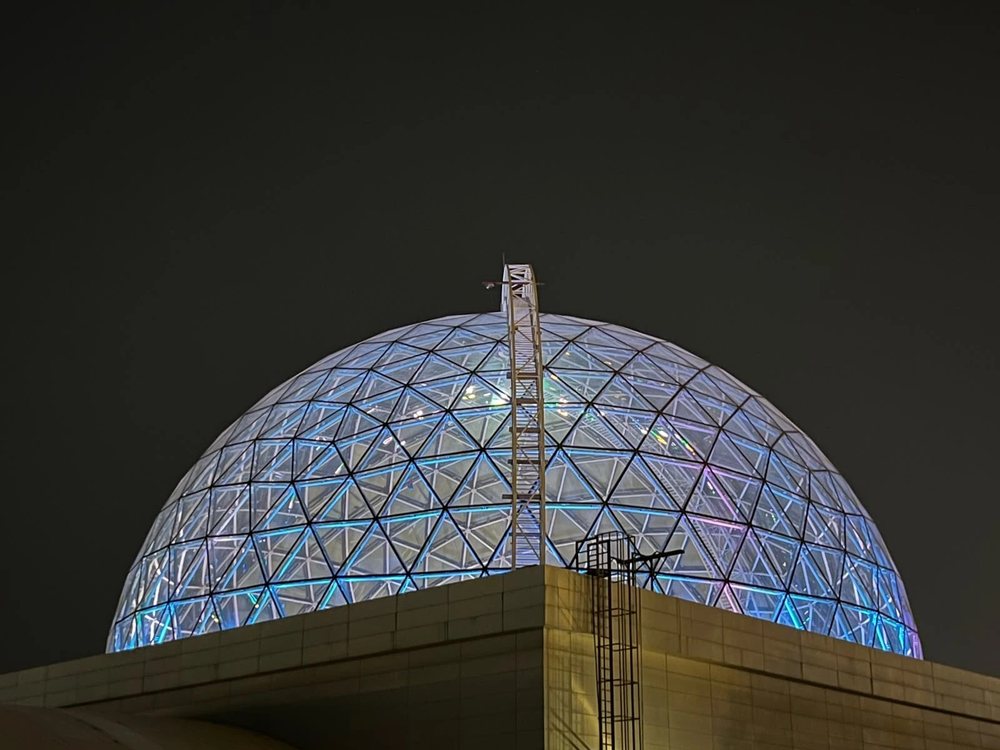
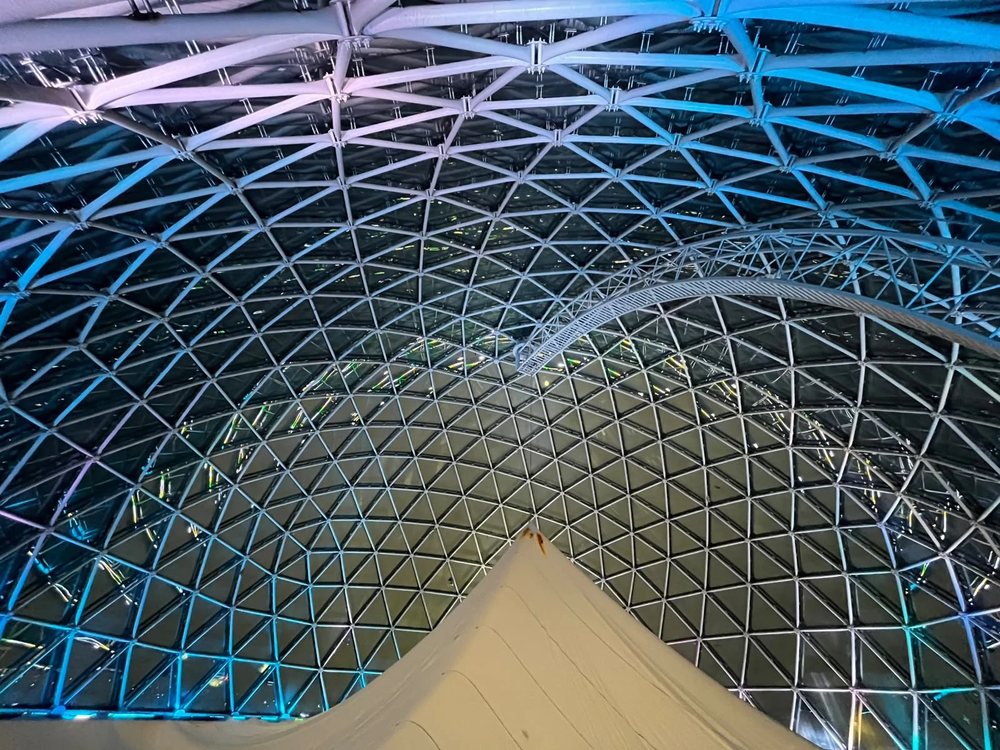
Family Mall's dome is a glass geodesic roof over the atrium, 35.6 m across and 17.4 m high. Its steel frame stands inside, behind the glass. The ring road and the park behind the mall both look straight at it, so it has two faces and every scene has to read from both.
The 56 capsEach one as the dome draws it. Point at one to see the cap. Open it to compare.
The work, in six stagesFrom the first sketch to this page. Open a picture to see it in the Library.
The loom, from above
013 to 4 September
The dome is a loom
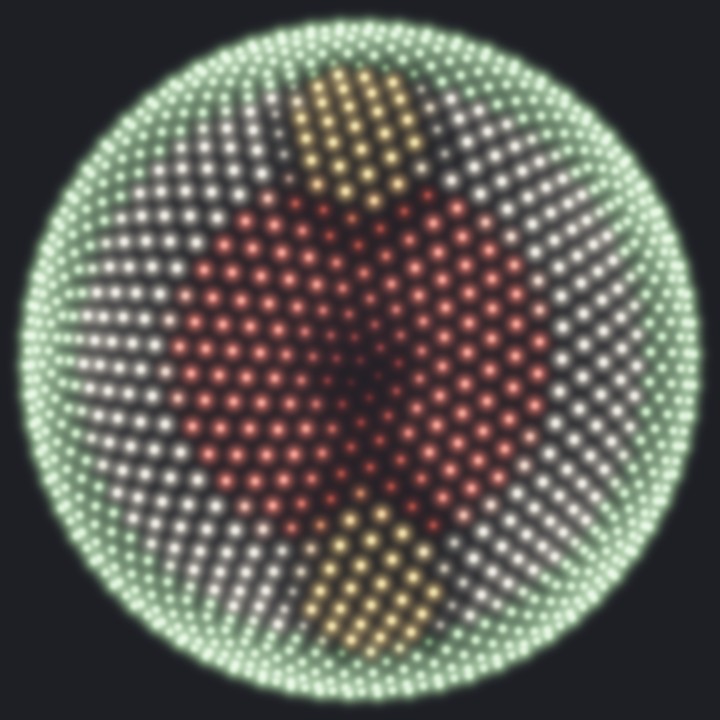
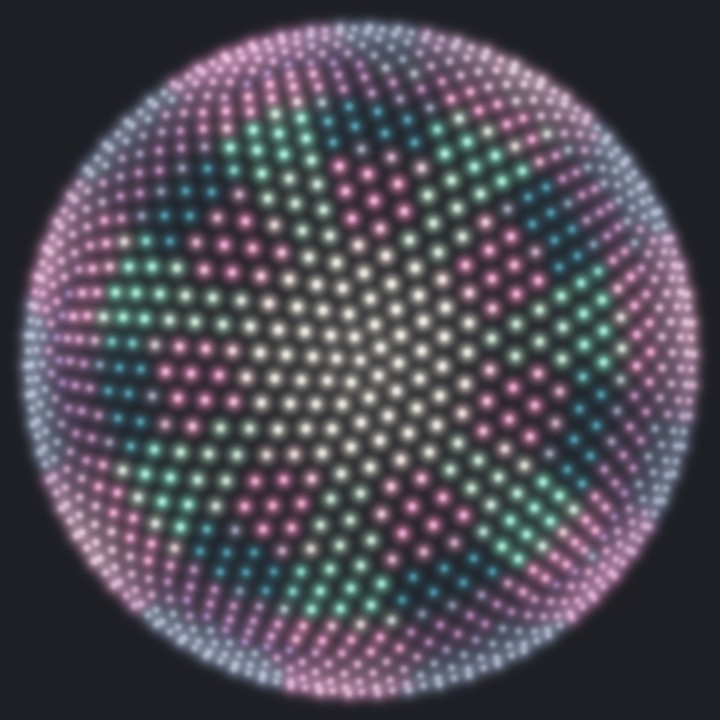
The idea of lighting the dome is Fardin Rezayi's. The project begins as a plan for lighting the glass dome with pixel lights, with one idea for the look: the dome is a loom, and the light is woven on it. A still renderer and a browser preview are built the same week, so every idea can be seen at once.
KeptThe loom. It is still the house look of the library, and its rug is the first thing the page shows.DroppedClaims about Kurdish lettering that could not be checked. They were corrected on 4 September.
The same model, as it is rendered now
027 to 10 September
The site, and a first library
The mall and its street are modelled in Blender from a satellite orthophoto, then corrected against photographs of the real building: the street, the park, the curtain wall, the parapet. On 7 September the plan settles on one option, a light on every hub and one halfway along every member, and the first scenes are rendered as looping films.
KeptThe parapet. It hides the lowest lights from the road, so every later scene is drawn above it.DroppedA stepped roof. The imagery does not show one, so it was left out on purpose.
Taken on site, outside and inside. Below: the model from the drawing, and as built
0324 September
The drawing was not the dome
The drawing of the dome that came with the project is a flat AutoCAD elevation, partly dated 2014, with no 3D model in it. It shows eleven rings and 28 meridians, with members from 0.60 to 3.98 m, and the first model was built from it: 308 hubs, 868 members, 1,176 lights. Photographs taken on site for this project, from outside the dome and from inside it, and a leg measured on site, show something else: a geodesic of near-equal triangles with legs of about 3 m, and a second, inner frame of white members that carries the dome's existing lights.
KeptThe drawing's size, 35.57 m across and 17.41 m high.DroppedThe drawing's frame. The first model, left below, was replaced by the one built from the photographs, right.To confirmThe number of struts round the base. The model has 35, which fits legs of 3 m, but no photograph shows them all.
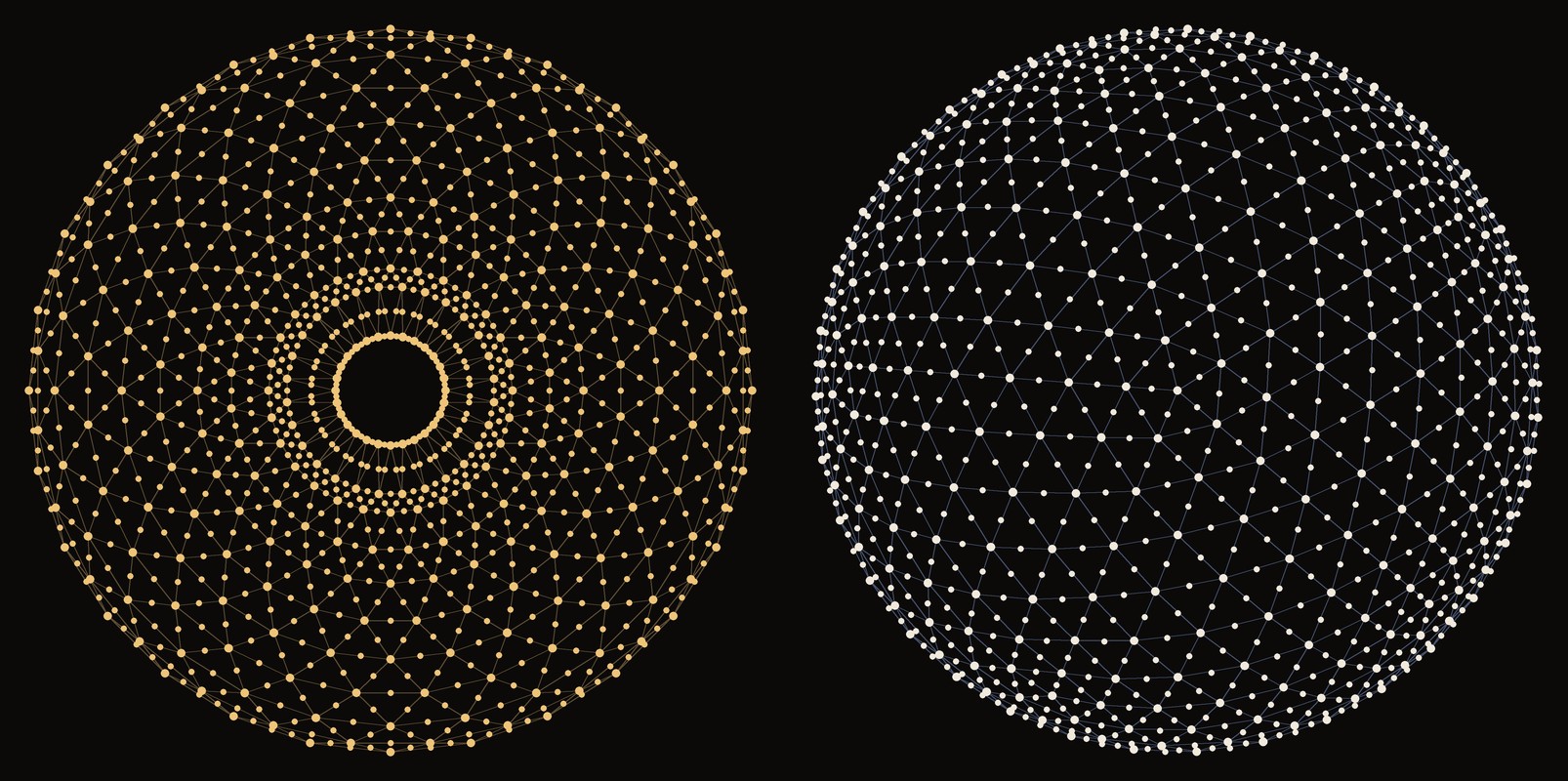
A plan of the 946 lights
0424 September to 1 October
Rebuilt as it is built
The model becomes a geodesic of 246 hubs and 700 members, with 946 lights: one on every hub and one halfway along every member. On 26 September the rule is set that the lights sit on the glass joints only, with no panel or mesh over the glass. By 1 October every scene, all 56 caps included, is redrawn on that geometry.
KeptLights on the joints only, so the glass stays clear by day.DroppedAny screen or mesh over the glass.
The redesign sheet of 3 October
052 to 3 October
Two days of redesign
Every scene is lifted into the rings the ring road can see. Then the set is rebuilt motion first: the calendar after research into its landmarks, the brand moments, the loom as one long piece, and a text lab of 34 variants scored by character recognition from the road.
KeptMotion first, and the mall's own name as a belt running at one letter a second.DroppedWords as a general tool. The text scenes were moved out to the studies, where the working sheets and test films are kept.
A cap, drawn from its photograph
0618 September, then 23 to 24 November
The caps
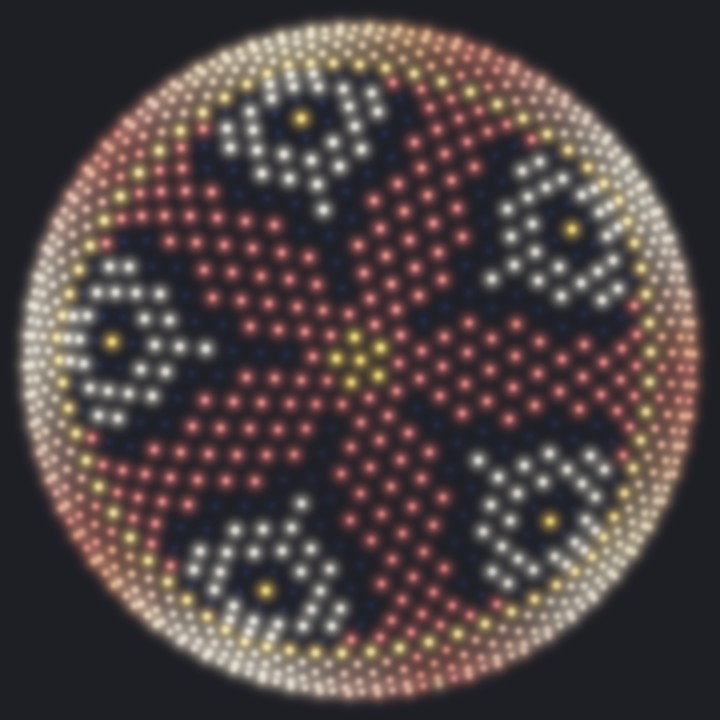
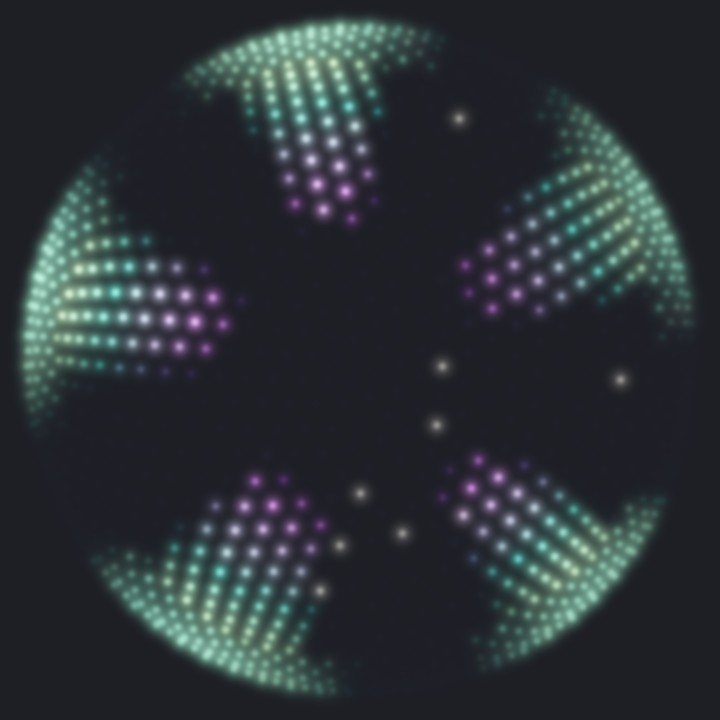
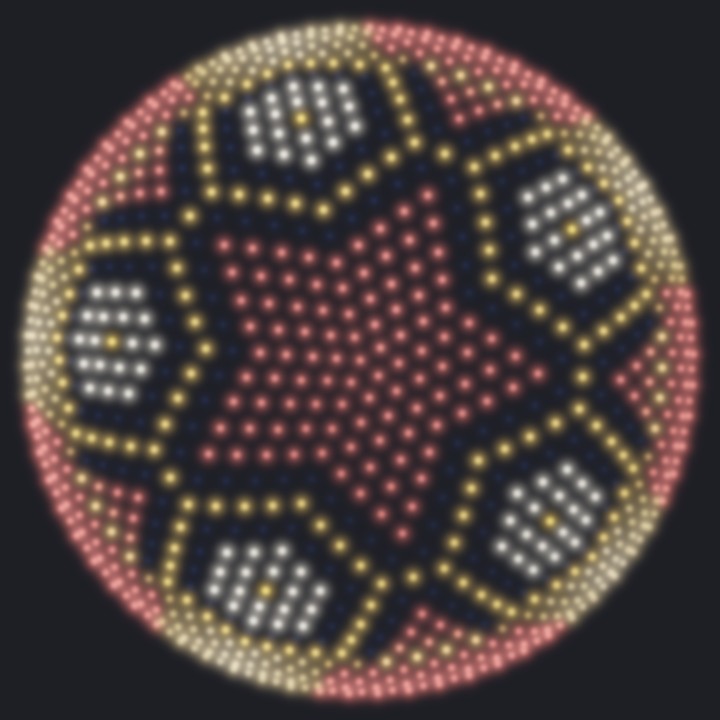
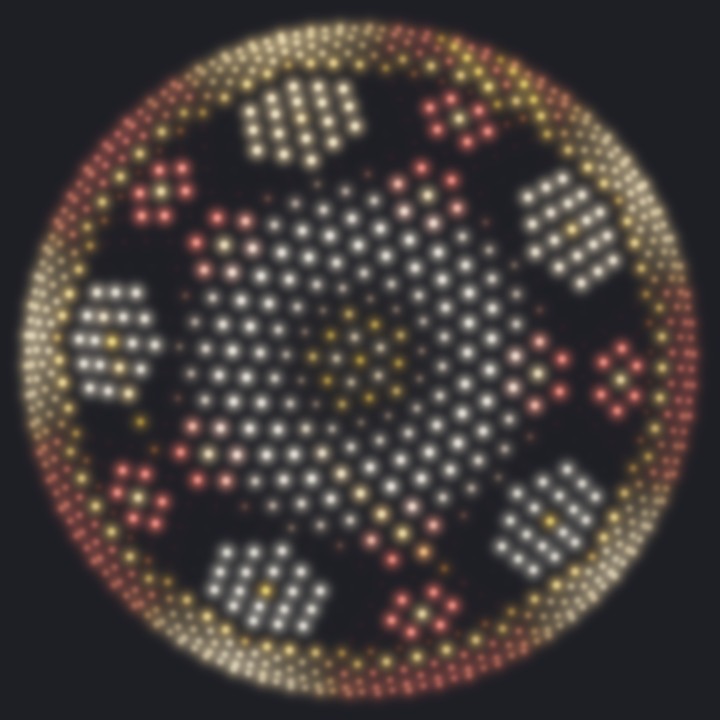
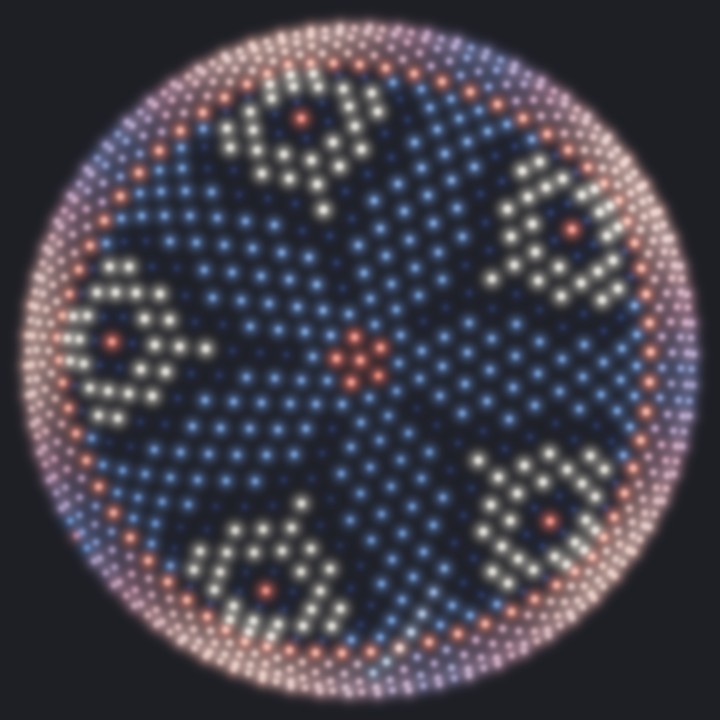
The Kurdish Textile Museum's wall of caps becomes a set of scenes: eight caps first, then all 56, each drawn as a picture on the dome, since a dome seen from above is a cap seen from above. In November the caps are rebuilt from a 200 megapixel photograph of the wall, twelve of them take their lights straight from their own photograph, and all 56 are reviewed one by one.
KeptTwelve caps drawn from their photograph, where the figure is bold enough for 946 lights to carry.DroppedFourteen more that looked better as photographs but hid too much light below the parapet, and four that the dome's rings cannot repeat exactly.
HalparkeOne dance, one song
Halparke
A concept. The dome's lights as the ring road sees them, from 7:30 to 8:40 of the song: the broken middle, the full band coming back, the line growing and the sun. No sound.
The dance
A halparke is a line or circle of people holding hands. One dancer leads and sets the pace, usually with a cloth in the raised hand, and the others follow the leader's steps. The middle is left empty. The footwork is quick, with small jumps, and it differs from place to place.
The dome's base is a ring of lights, so a line of dancers can go all the way round it. The scene does not paint a picture of a dance. The dome becomes the ground the line moves on, and its crown, the middle of the circle, is left dark.
The song
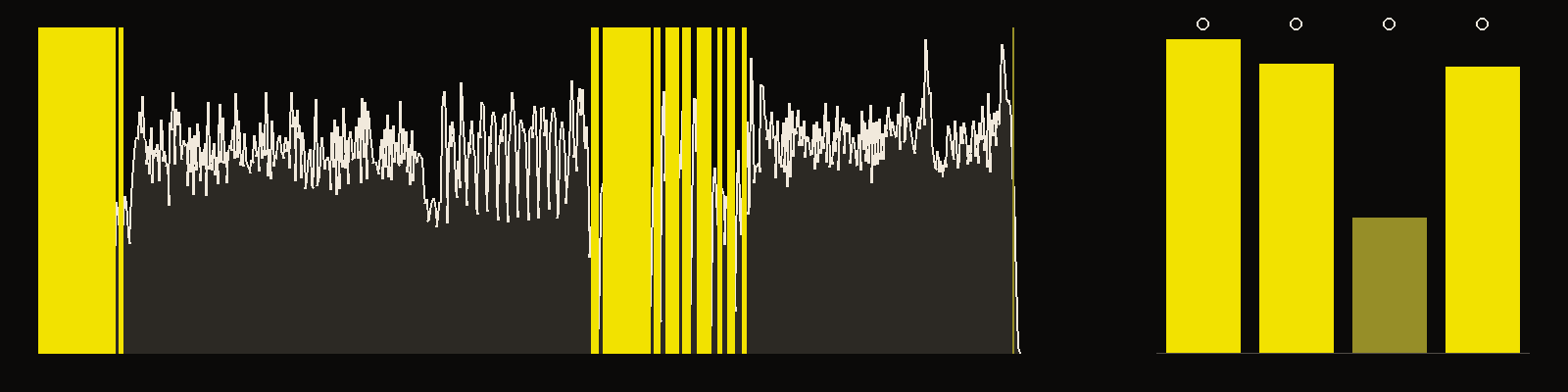
The scene follows one recording, Kî ne Em? by Şivan Perwer, on words by Cegerxwîn. No source gives a standard tempo for halparke, so the song was measured, not guessed. It runs 11 minutes 15 at 112 beats a minute, in bars of four beats with the third beat light. It is not one level all through: a free opening without the drum to 0:52, the drum to about 6:17, then a broken middle where the band plays in bursts with silences between, and at 8:05 the full band comes back and the tempo rises to about 117.
The recording is not on this page. Play it beside the film from 7:30 to see the dancers step on its beats.
The scene
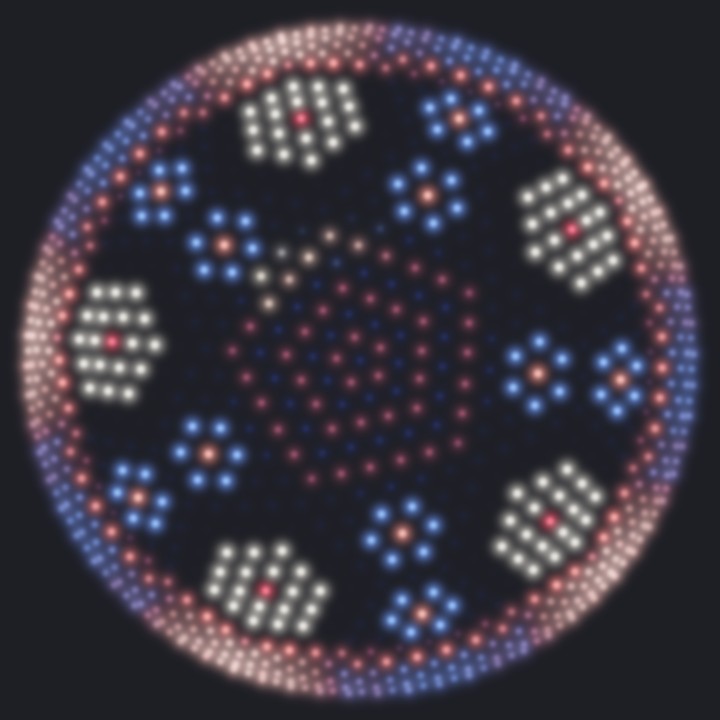
Eight dancers stand at the foot of the dome, each a figure about half its height: a head in a scarf or a white cap, a torso, a sash in a second colour, a flared skirt or straight trousers. Dark space keeps them apart, because from the road the dome shows about 250 lights and figures that fill them blur into one wall. The line is open. At its head the Serchopi, the leader, is taller, in white, and turns a large red and white handkerchief.
The line steps on every beat: three steps forward and one back in each bar, the knees bending on the step, and the hands swing up as a wave down the line. In every silence the dancers freeze, held at a third of their light. The Serchopi breaks out of the line for a solo when the drum first comes in, after the first break and when the full band comes back. Then four more dancers join, one a second, and the line closes nearly round the dome. Once the ring is full a gold sun lights in the empty crown and stays until the line leaves.
The song, measured: its loudness across 11:15 with the stretches where the line holds in yellow, and the weight of the four beats of a bar.
7:40
8:07
8:14
8:30
Before: the line on the floor of the dome
After: the whole dome
From the ring road, raised · 8:06
From above · 8:14
From the ring road · 8:23
From the Khala Shihab bridge · 8:31
What is known of the dance comes from Kurdistan Chronicle, Kurdish Central and a piece on halperke as community in motion. They describe a family of regional forms, not one fixed dance, so this is one reading of it. The film shows the lights as a flat elevation from the ring road. The four views on the building are renders of the site model, each lit by the scene at the moment of the song shown under it.
Library22 designs · 5 earlier · 15 studies
Every design and study, one row each. Scroll a row sideways, open any plate and step through, or press Play. Open all turns a row into a grid.